
Democrats won both chambers of Congress in the November 2026 midterms. When the new Congress takes office on January 3, 2027, it can block crypto bills, investigate regulators and decline to confirm nominees. What it cannot do on its own is cancel the executive order that created the Strategic Bitcoin Reserve or repeal the federal stablecoin law over President Donald Trump’s veto. Trump remains in office until January 2029, and Democrats lack the two-thirds majority in each chamber needed to override him.
The distinction that matters across the 36 measures under review as of November 26, 2026, is not when each was announced. It is who has the power to change it. The Bitcoin reserve, the stablecoin law and the rules for Bitcoin funds illustrate three different answers.

The Bitcoin reserve: a president can reverse the order
Trump established the Strategic Bitcoin Reserve by executive order on March 6, 2025. The order calls for the federal government to retain bitcoin acquired through criminal or civil forfeiture. It is not a commitment to buy bitcoin on the open market, and the government had announced no such purchase plan. BitcoinTreasuries estimated total federal holdings at about 328,372 BTC; that was not a confirmed reserve balance.
A future president could revoke the order without Congress. Selling the bitcoin would be a separate matter: forfeiture proceedings and obligations to compensate victims limit which coins the government can dispose of. Senator Cynthia Lummis’s BITCOIN Act would authorize purchases over several years, but it had not become law. Neither had the separate American Reserve Modernization Act.
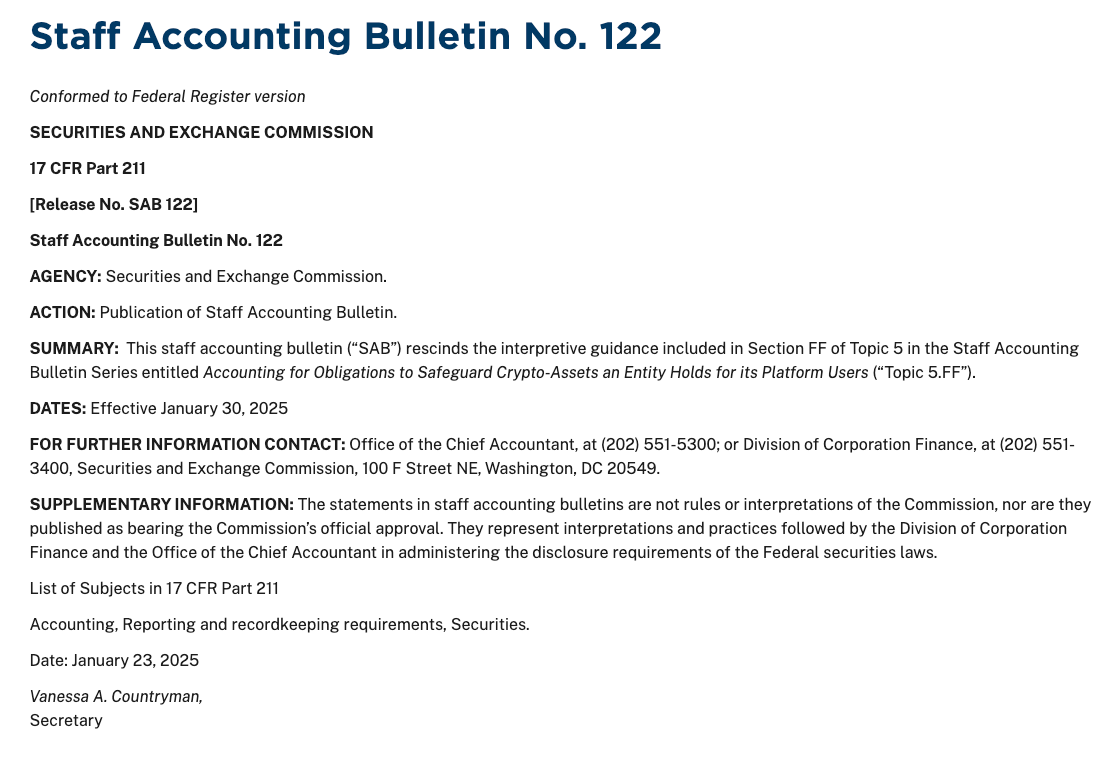
The same distinction applies to a U.S. central bank digital currency. The House passed a bill to prohibit the Federal Reserve from issuing a retail CBDC, but the Senate did not agree to it. The federal prohibition on agencies pursuing a CBDC therefore still rested on Trump’s January 23, 2025, executive order, which a successor could withdraw.
Stablecoins: changing a rule is not repealing the law
The GENIUS Act rests on stronger ground. Signed on July 18, 2025, it established a licensing framework for payment stablecoin issuers, required high-quality reserves and restricted issuers from paying yield directly to holders. It passed the Senate 68–30 and the House 308–122, with 18 Senate Democrats and 102 House Democrats voting in favor. Under its statutory timetable, it was set to take effect on January 18, 2027.
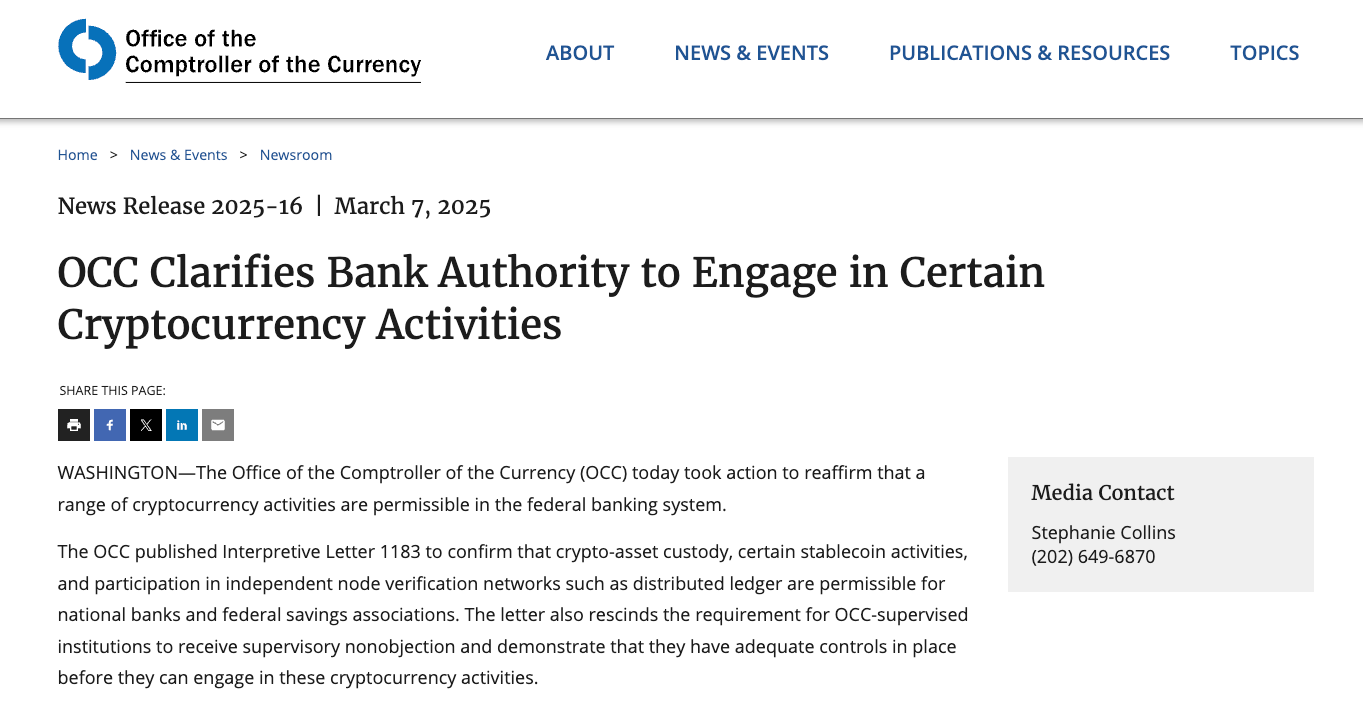
Repeal would require another law. A future administration would have more room to change how regulators apply it. As of November 2026, about 13 implementing rules remained proposals. The Office of the Comptroller of the Currency, by contrast, had already issued a final rule setting a $5 million minimum capital floor and specifying stress tests and liquidity buffers. It too was set to take effect on January 18, 2027. Changing that rule would ordinarily require public comment and a reasoned explanation. Rewriting a pending proposal would not.
Congress also placed a limit on future regulators when it overturned the IRS rule treating certain decentralized finance participants as brokers. Trump signed the disapproval resolution on April 10, 2025. Under the Congressional Review Act, the agency cannot issue a substantially similar rule without fresh congressional authorization. The resolution did not repeal Form 1099-DA reporting for custodial brokers, which began with the 2025 tax year.
Bitcoin funds: changing listing standards need not mean delisting
On September 17, 2025, the SEC approved exchange rules allowing qualifying commodity trust shares, including crypto products, to list without separate approval for each fund. A future SEC could revisit those standards. Requiring an already traded product to delist, with investors still holding its shares, would be a much less common step. Morgan Stanley put the number of U.S.-listed crypto-related exchange-traded products at about 140, including about 40 single-asset spot products.
Fund operations create a different obstacle to reversal. Since the SEC’s July 29, 2025, approval, authorized participants in Bitcoin and Ether products have been able to deliver or receive the underlying asset when creating or redeeming shares, instead of using only cash. Returning to cash-only transactions would impose costs on funds that already use that process. Those costs do not make the approval permanent, but they matter more in practice than the ease of announcing a policy change.
What the incoming Congress can change
The clearest test of congressional power is a bill that has not passed. The CLARITY Act would divide responsibilities between the SEC and the Commodity Futures Trading Commission and establish registration requirements for market intermediaries. It passed the House 294–134 in July 2025. On September 15, 2026, a Senate vote to advance debate failed 49–50, short of the 60 votes required. Democrats need not repeal the bill; they can simply decline to advance it. As the law firm Troutman Pepper Locke noted, agencies cannot supply every missing provision themselves, including a CFTC licensing regime for spot intermediaries or priority for customer property in bankruptcy.
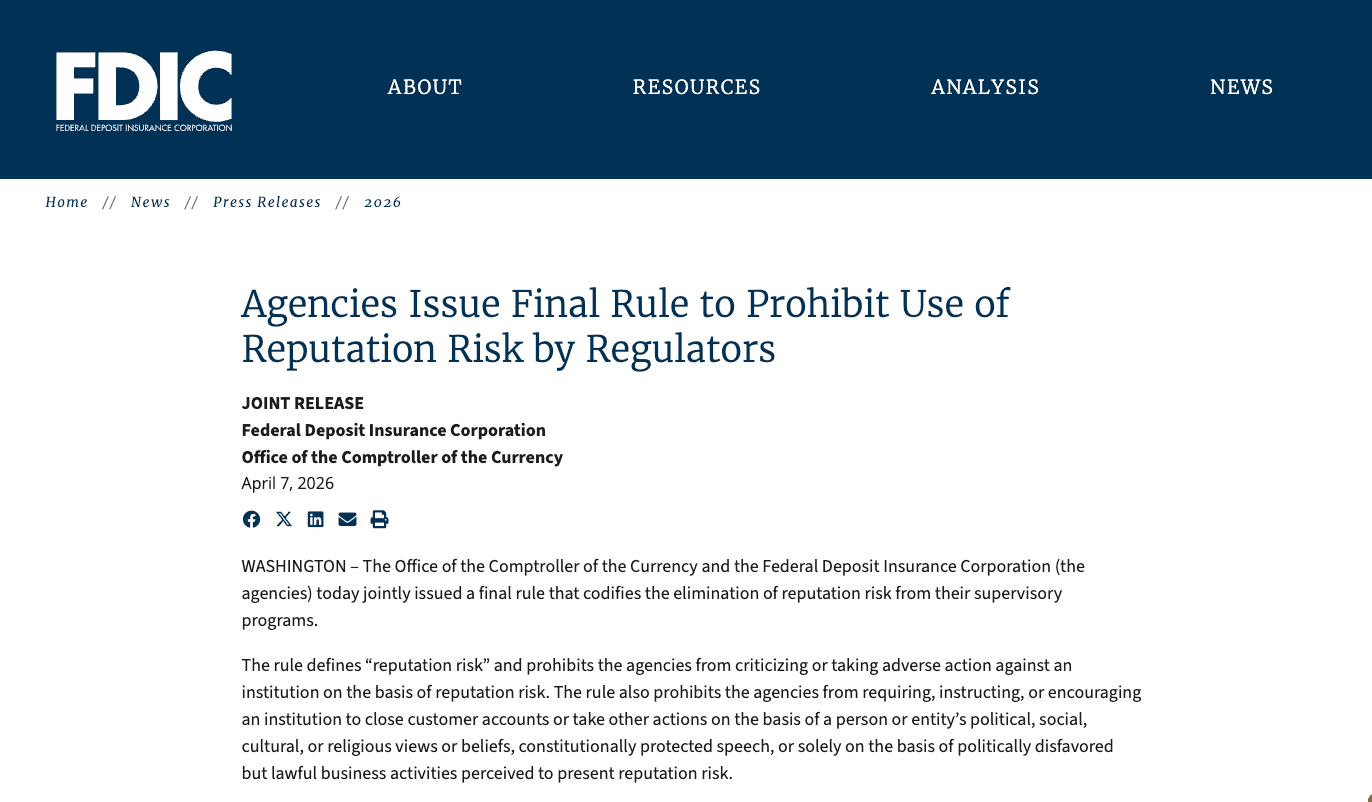
Congress can also scrutinize decisions already made. Democratic lawmakers said they would investigate the OCC’s conditional approval of a trust charter for World Liberty Trust, an affiliate of the Trump family-linked World Liberty Financial. Conditional approval can be delayed or denied at the final stage. Revoking a charter that has already received final approval requires cause.
A Democratic presidential victory in 2028 would change the analysis, but it was not an outcome of the midterms. Under new leadership, regulators could withdraw nonbinding staff views on mining, staking and custody, or abandon the SEC’s proposed crypto fundraising exemptions. Revising final rules would generally take longer, often one to two years. And some outcomes are final: a successor cannot withdraw a delivered pardon or bring the same claims again after a dismissal with prejudice.
For 2027 and 2028, the incoming Congress has more power over what happens next than over what has already happened. It can stop a Bitcoin purchase bill without selling a single coin, and investigate a banking decision without revoking a charter. Neither a change of majority nor a change of president resets the whole framework.