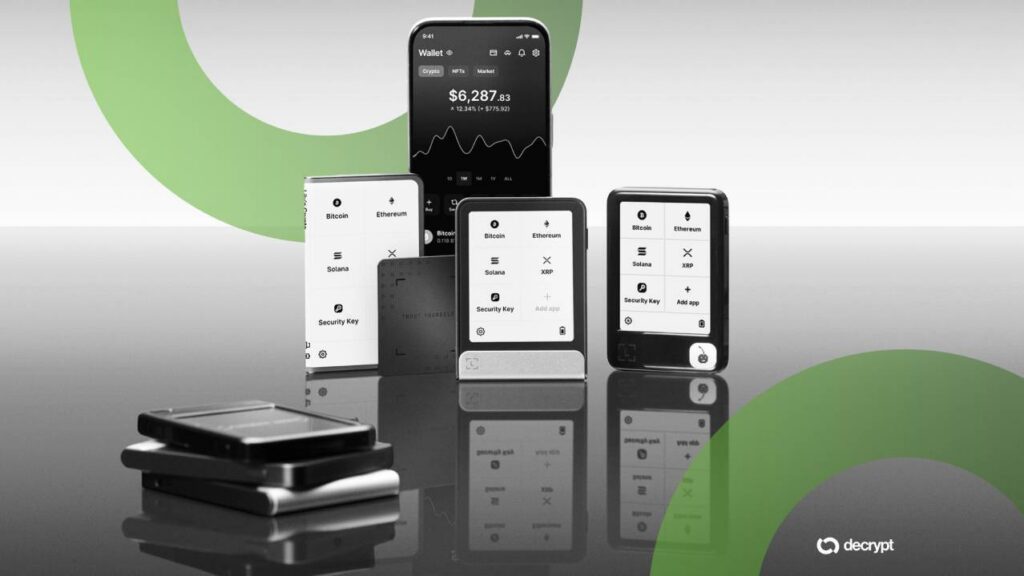
As reported on November 19, 2026, Ledger said it had confirmed tampered hardware wallets in Berlin and was investigating reports of two more in Dubai. The company said these findings were part of the same incident it had previously described as localized to Southeast Asia.
What is the risk? Ledger said every device it had confirmed was physically modified to capture a user’s recovery phrase during setup. That phrase—typically 24 words—can give someone control of the wallet’s funds. Ledger maintained that it had found no flaw in its secure chip or operating system, and no confirmed case involving a device bought on ledger.com.
The investigation began in October after customers who bought devices from reseller CryptoBilis reported losses. Onchain investigators traced a suspected drain of about $87 million from hundreds of wallets across Ethereum, Tron and Bitcoin. That estimate does not establish how many of the wallets reported in Berlin or Dubai were involved.
Ledger said a few tampered units had been located in Berlin and urged people who had bought a Ledger device there since January 2026 to contact support. It was working with distribution partners to investigate how the two suspected Dubai units entered circulation; multiple reports said they were bought at a Virgin Megastore. Ledger also identified one affected Nano Gen5 among Southeast Asian resellers whose sales it had previously paused.
For anyone concerned their device may be affected, Ledger advised stopping its use and moving funds to a new wallet created on a device bought directly from ledger.com. It said not to reuse the old recovery phrase or passphrase, because a tampered device could capture both. The distinction matters: a hardware wallet can protect keys in normal use, but that protection cannot restore secrecy to a phrase captured during setup.